Marine Life Encyclopedia
Discover the incredible biodiversity of Andaman's underwater world. Learn about the amazing creatures you'll encounter on your dives.
Showing 24 species
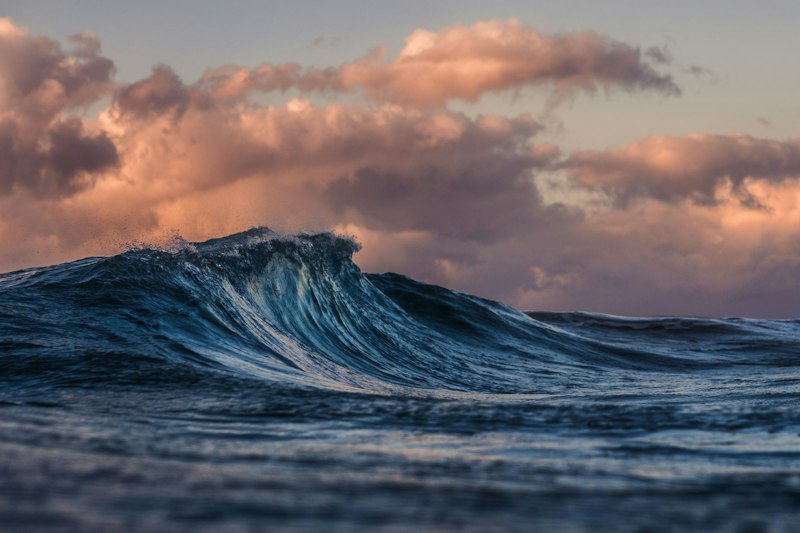
Manta Ray
Mobula birostris
Majestic giants of the sea, manta rays are among the largest rays in the world. These gentle filter feeders glide gracefully through the water with wingspans reaching up to 7 meters.
Green Sea Turtle
Chelonia mydas
Named for the green color of their fat, not their shells. These herbivorous turtles are commonly seen grazing on seagrass beds around Andaman Islands.
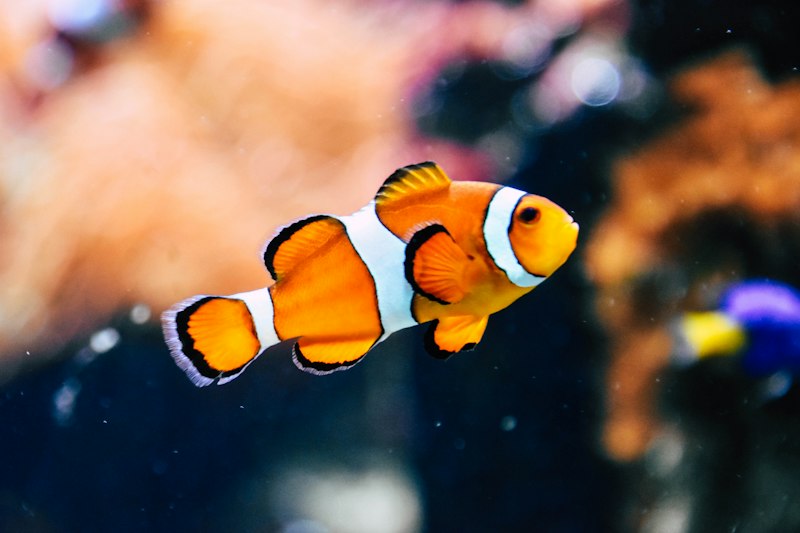
Clownfish
Amphiprioninae
Made famous by "Finding Nemo", these small, colorful fish live in symbiosis with sea anemones. The mucus coating on their scales protects them from the anemone's stinging tentacles.
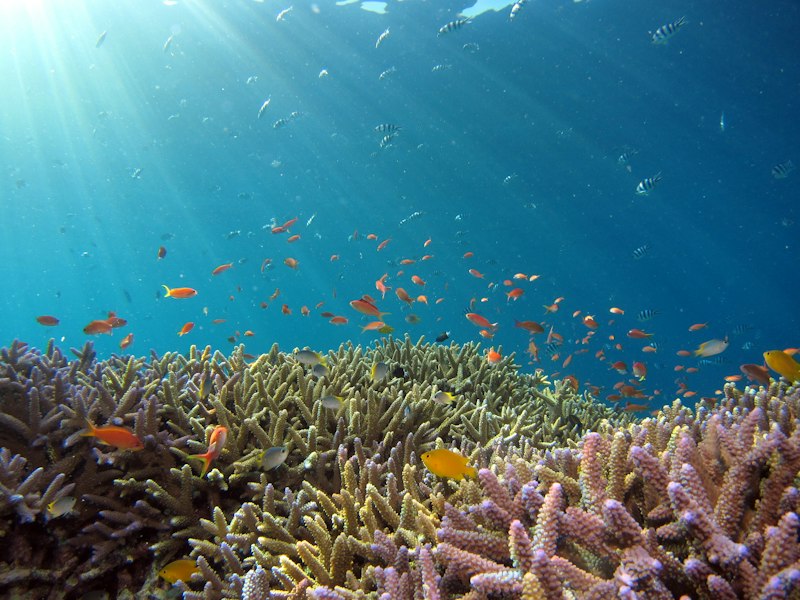
Giant Moray Eel
Gymnothorax javanicus
The largest of all moray eels, reaching up to 3 meters in length. Despite their fierce appearance, they are generally shy and only aggressive when threatened.
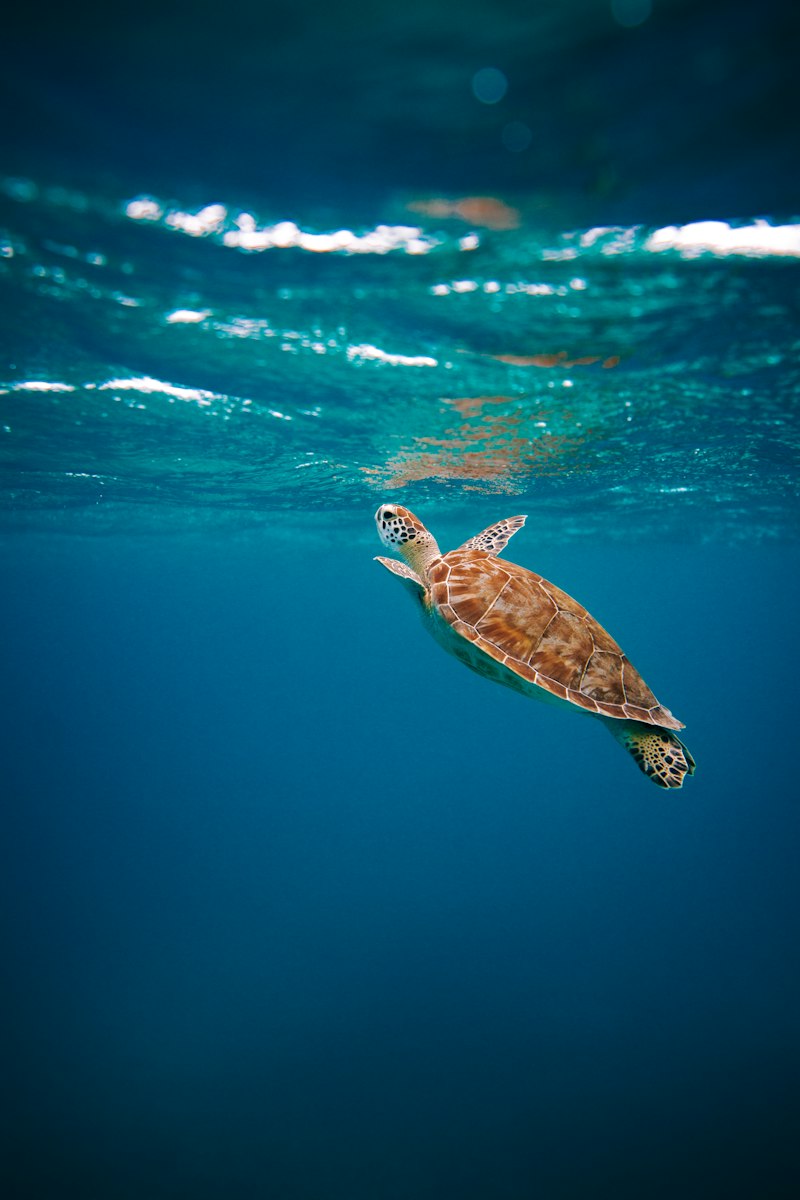
Dugong
Dugong dugon
Peaceful marine mammals related to elephants, dugongs are herbivores that spend their days grazing on seagrass. They are a rare and treasured sight in Andaman waters.
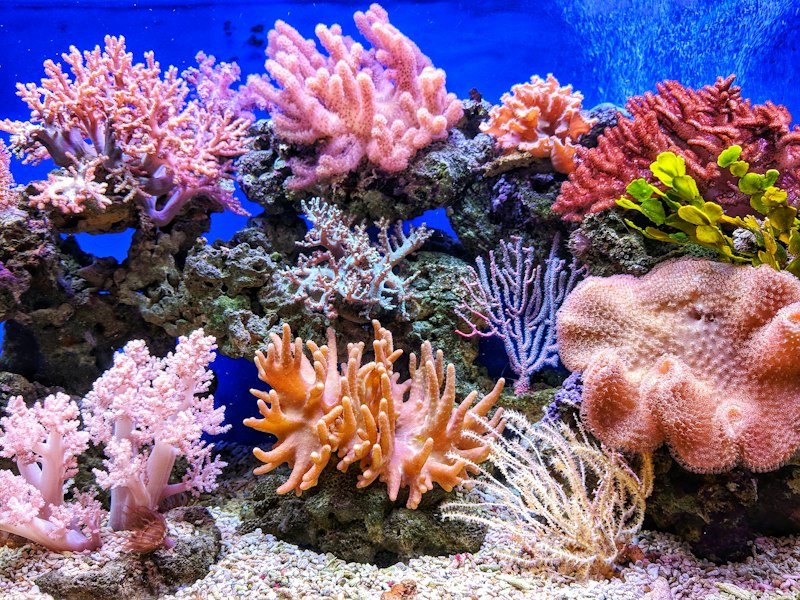
Table Coral
Acropora hyacinthus
Fast-growing coral that forms large, flat, table-like structures. These corals are crucial for reef building and provide habitat for countless marine species.
Lionfish
Pterois volitans
Strikingly beautiful but venomous, lionfish are distinguished by their elaborate fins and bold stripes. They are ambush predators that hunt at dusk and dawn.
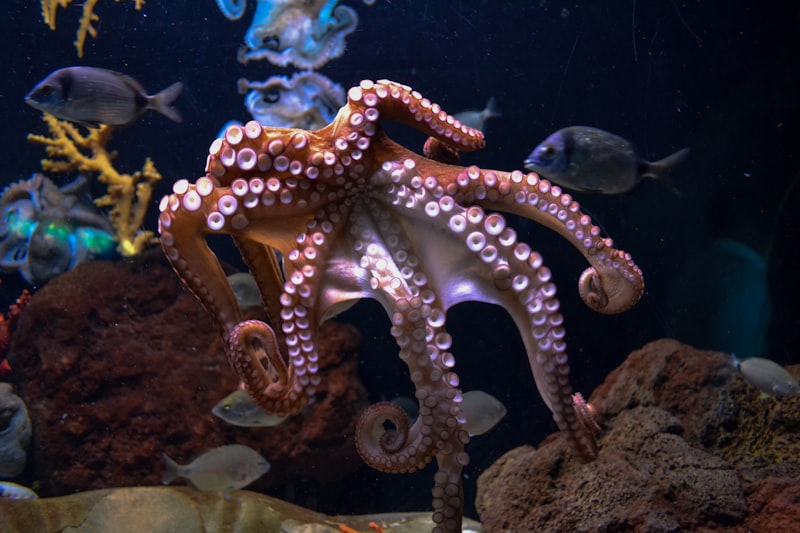
Octopus
Octopus vulgaris
Highly intelligent invertebrates with eight arms and the ability to change color instantly. Masters of camouflage and problem-solving.
Whale Shark
Rhincodon typus
The largest fish in the ocean, whale sharks are gentle giants that filter feed on plankton. Despite their massive size (up to 12 meters), they pose no threat to humans.

Sea Snake
Hydrophis platurus
Highly adapted to marine life, sea snakes are among the most venomous snakes in the world. However, they are generally docile and bites are extremely rare.
Parrotfish
Scaridae
Named for their bright colors and beak-like teeth, parrotfish play a crucial role in creating sandy beaches by eating algae off coral and excreting fine sand.
Barracuda
Sphyraena barracuda
Swift predators with powerful jaws and razor-sharp teeth. Often seen in large schools circling reefs or hunting alone in open water.
Hawksbill Turtle
Eretmochelys imbricata
Critically endangered sea turtles known for their beautiful shell patterns. They play a vital role in maintaining healthy coral reefs by eating sponges.
Nudibranch
Nudibranchia
Colorful sea slugs that come in every color imaginable. These shell-less mollusks are a favorite among underwater photographers for their vibrant patterns.
Eagle Ray
Aetobatus narinari
Graceful rays with distinctive spotted patterns, eagle rays often travel in small groups. They flap their wings like birds, making them appear to "fly" through the water.
Blue-Spotted Stingray
Taeniura lymma
Beautiful rays with bright blue spots on their bodies. Often found resting under coral ledges or partially buried in sand during the day.
Soft Coral
Alcyonacea
Unlike hard corals, soft corals lack a rigid calcium skeleton. They sway gracefully with currents, creating an underwater garden of vibrant colors.
Cuttlefish
Sepiida
Masters of disguise with the ability to change color and texture instantly. These intelligent cephalopods are related to octopuses and squid.
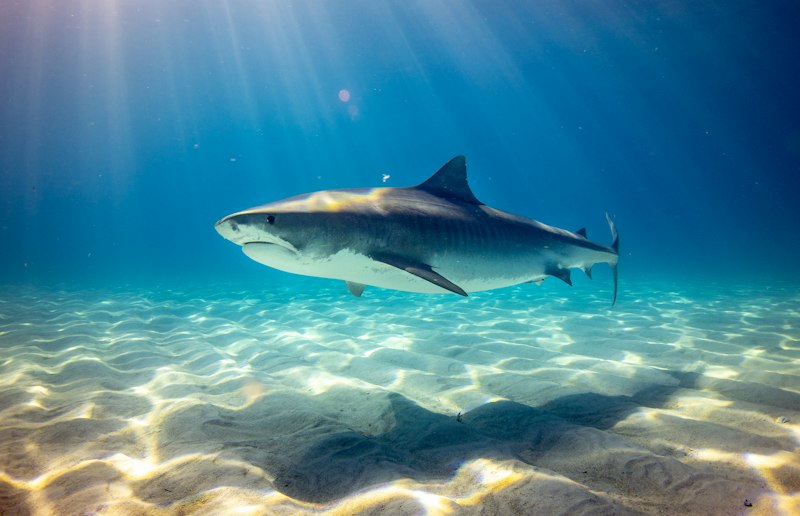
Reef Shark
Carcharhinus melanopterus
Small, elegant sharks with distinctive black-tipped fins. Common inhabitants of coral reefs and one of the most frequently encountered shark species by divers.
Moray Eel (Honeycomb)
Gymnothorax favagineus
Distinguished by their honeycomb-patterned skin, these eels are nocturnal hunters that rest in reef crevices during the day with their mouths open.
Seahorse
Hippocampus
Enchanting creatures that swim upright and use their prehensile tail to anchor to coral or seagrass. Males carry and give birth to babies.
Giant Trevally
Caranx ignobilis
Powerful apex predators known for their aggressive hunting tactics. Often seen hunting in packs or patrolling reef edges.
Sea Anemone
Actiniaria
Beautiful but deadly to small fish, sea anemones use stinging cells to capture prey. They form symbiotic relationships with clownfish and anemone shrimp.
Brain Coral
Diploria labyrinthiformis
Named for their maze-like appearance resembling a human brain. These slow-growing corals can live for several hundred years.
Encounter These Species on Your Dives!
The Andaman Islands are home to over 750 species of fish and countless other marine creatures. Book a dive course to experience this underwater paradise firsthand.
Browse Diving Courses